

Within today's digital landscape, the aesthetic of your website holds a key role in shaping user perceptions and affecting consumer behavior. Color psychology is a powerful tool that can trigger emotions and establish associations, making it vital for website designers to grasp how to successfully use color in their work. Selecting the right colors can improve user experience, improve brand recognition, and even boost conversions. As businesses look to build a strong online presence, understanding the influence of color choices on design grows increasingly vital.
Nonetheless, choosing the right website designer is just as important as the design components themselves. With so many possibilities available, business owners must be equipped with knowledge about what to look for in a web designer. From reviewing their portfolio to understanding their approach to user experience and SEO, knowing how to assess potential designers can substantially affect the outcome of your project. This article will explore key considerations in choosing a web designer while showcasing the powerful influence of color psychology on web design.
Picking a Right Website Designer
Selecting a best website designer is crucial for your performance of your online presence. Begin by determining your needs and goals, since each business has its own. Consider what website you want, whether a online store, a portfolio site, or a blog. This understanding is key in identifying designers who specialize in your specific niche, as it can enhance the complete effectiveness of the final product.
Then, review the qualifications and experience of potential designers. Look for professionals with a solid portfolio showcasing the abilities, varied styles, and completed projects relevant to the industry. Pay attention to their design approach and how designers integrate usability and aesthetics. A good designer should also demonstrate awareness of current web design trends, ensuring that your website remains modern and appealing to users.
Lastly, effective communication stands as essential throughout the design process. Select a designer who remains willing to collaborate closely with clients to grasp the brand identity and vision. This collaboration plays a crucial role in the quality of the final end product. During initial discussions, assess their willingness to listen and adapt to your feedback, as well as their transparency regarding timelines and costs. Clear communication will pave the way for a successful partnership and the website that meets your expectations.
Key Qualities of a Expert Designer
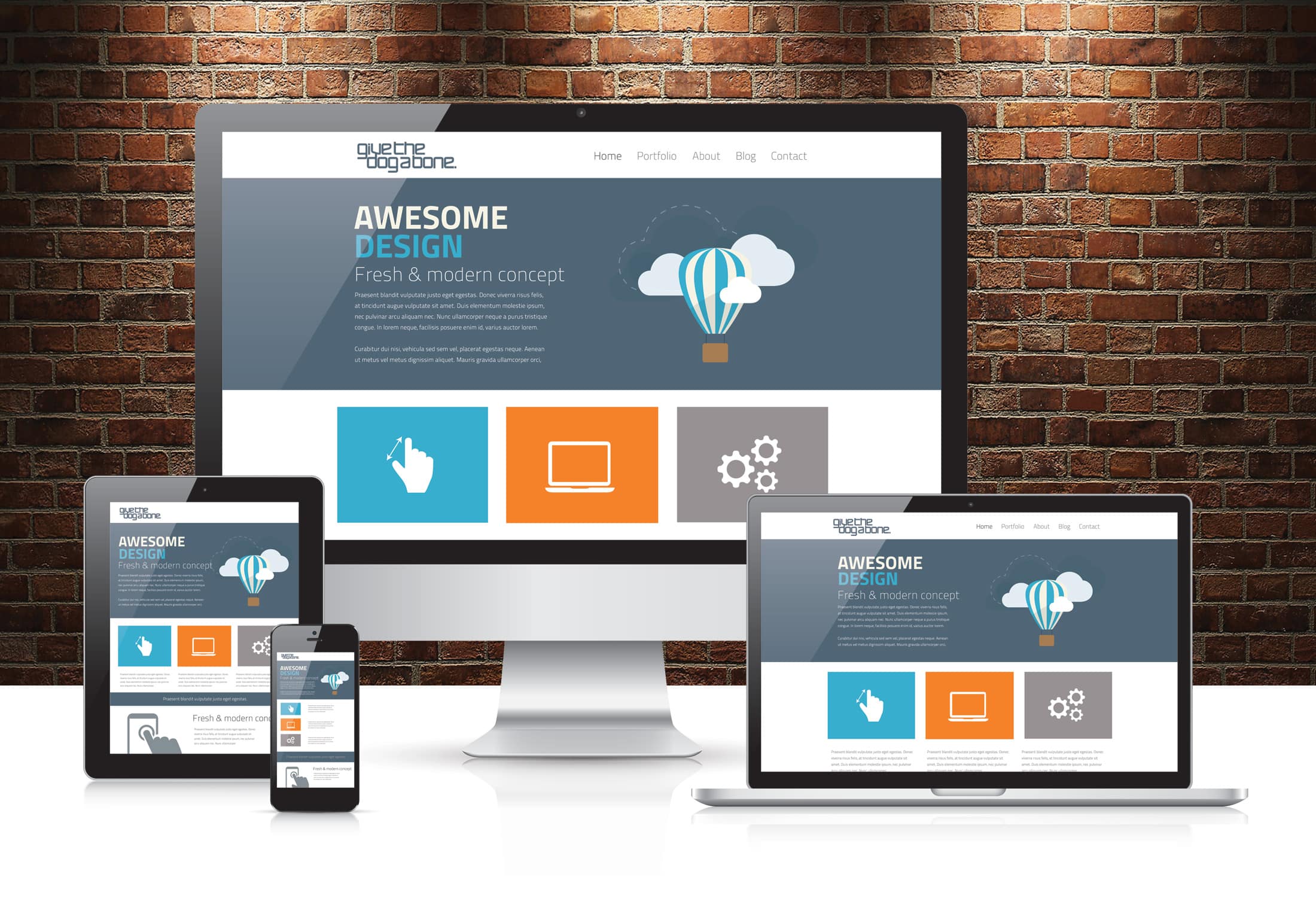
A competent website designer should possess a solid understanding of design principles, including structure, color theory, and typography. https://webdesign279.bravejournal.net/reducing-complication-minimalist-website-style are crucial for creating aesthetically pleasing and functional websites. A designer who can expertly apply these principles will ensure that your website not only appears attractive but also conveys your brand’s narrative clearly. An acute sense of detail can make a noticeable difference in user experience and overall engagement.
Communication is another important quality that distinguishes a good designer. They should be able to truly listen to your ideas and grasp your business goals. This partnership ensures that the designer faithfully translates your vision and translates it into a functional web presence. pop over to this website who maintains good communication will also keep you updated throughout the design process, addressing any concerns and adapting to feedback as needed.
Lastly, versatility is vital in the quickly shifting landscape of web design. A qualified designer should stay current with design trends, new technologies, and user behavior shifts. This ongoing learning not only enhances their capabilities but also equips them to create creative solutions that meet modern user expectations. An adaptable designer can lead you through the complexities of web design, ensuring your site remains relevant and impactful over time.
Ensuring a Fruitful Collaboration
To ensure a successful partnership with your site designer, clear dialogue is essential. Initiating a conversation from the outset helps both the designer and you synchronize their objectives and aims. Regular check-ins, feedback meetings, and honest discussions can keep the work on schedule. It is important to articulate your vision, identity, and aesthetic preferences while being willing to the developer's expertise and recommendations. This engaging exchange cultivates a successful partnership and nurtures creativity.
Establishing feasible timelines and budgets is also key to a fruitful collaboration. Talking about your project’s scope and deadlines early in the process to avoid misunderstandings later on is vital. Ensure that the designer provides a detailed outline of expenses and outputs, allowing you to plan accordingly. Flexible yet organized management practices allows both you and the designer to overcome through any obstacles that may arise, maintaining focus on effective delivery.
In conclusion, be prepared to provide ongoing support and resources throughout the design process. Sharing necessary materials, images, and input will help your designer create a site that effectively represents your brand. Understanding website design ireland is a two-way street reinforces a sense of teamwork, ultimately contributing to a site that fulfills your requirements and exceeds your expectations. By nurturing a constructive partnership, you can secure the project's effectiveness and enjoy a site that reflects your brand vision.